

One week you're crushing PRs and feeling unstoppable. The next, you can barely finish a warm‑up and everything feels heavy.
You blame yourself. You push harder. You wonder what's wrong.
Here's the truth: nothing is wrong. Your body is just following a different script – one written by your menstrual cycle. And your wearable has been tracking the clues all along. You just haven't been reading them.
Let's change that.
Why Your Workouts Feel Different Every Week
Your menstrual cycle isn't just about periods. It's a hormonal rollercoaster that affects your energy, strength, recovery, and even your heart rate variability (HRV).
There are three main phases that matter for training:
Follicular Phase (Day 1 → Ovulation)
Your period starts, but estrogen is climbing. By the end of this phase, you're feeling stronger, more energetic, and more resilient. Your body handles intensity well. This is your window to push.
Ovulation (Around Day 14)
Peak estrogen. Peak power. Your body is primed for high‑intensity work – HIIT, heavy lifts, sprint intervals. If you're going to chase a personal best, this is the time.
Luteal Phase (After Ovulation → Next Period)
Progesterone rises, core temperature goes up, and HRV often drops. Your body is working harder just to do normal things. Energy dips. Cravings kick in. This is not the time to force a brutal workout – it's the time to respect what your body is telling you.
What Your Wearable Already Knows
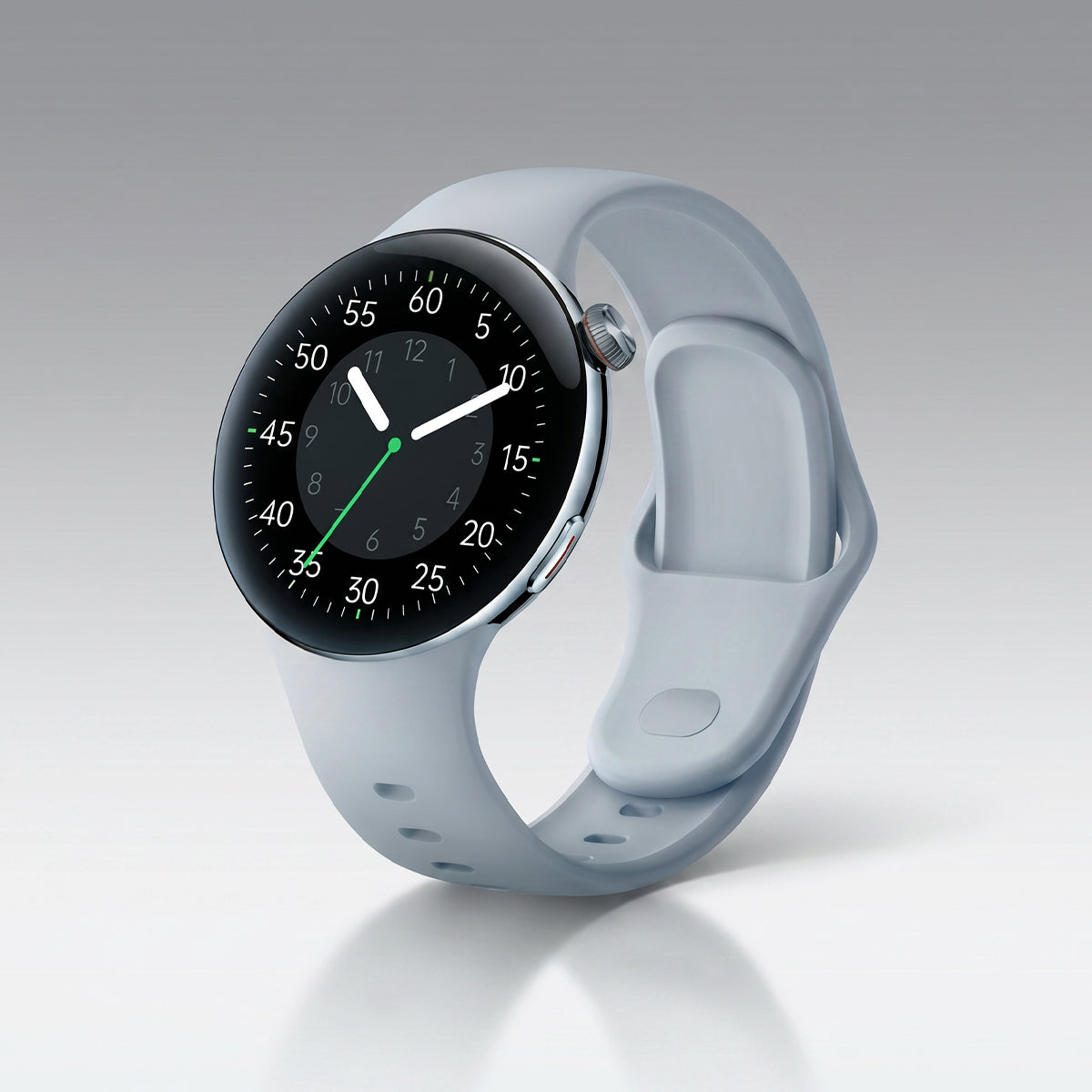
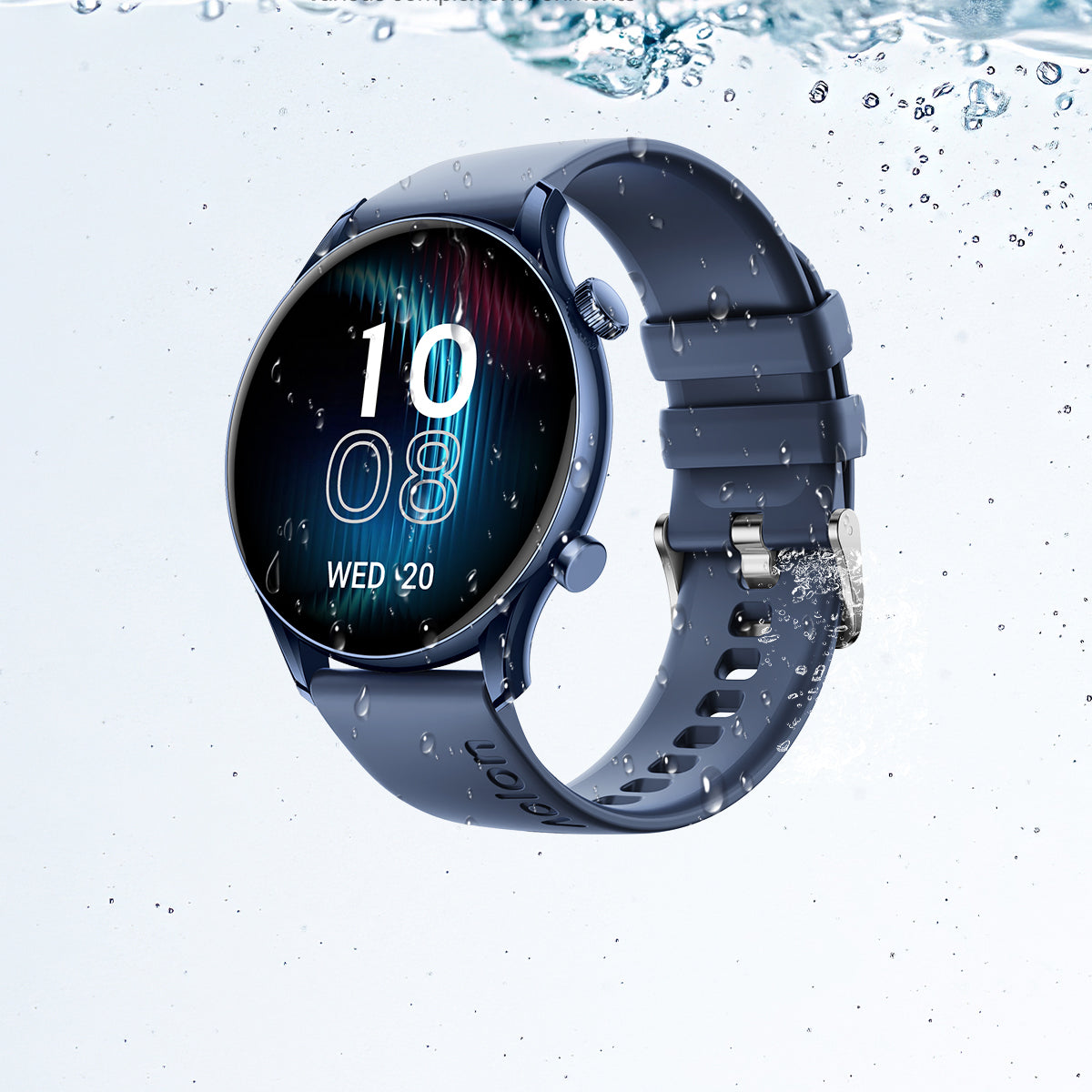
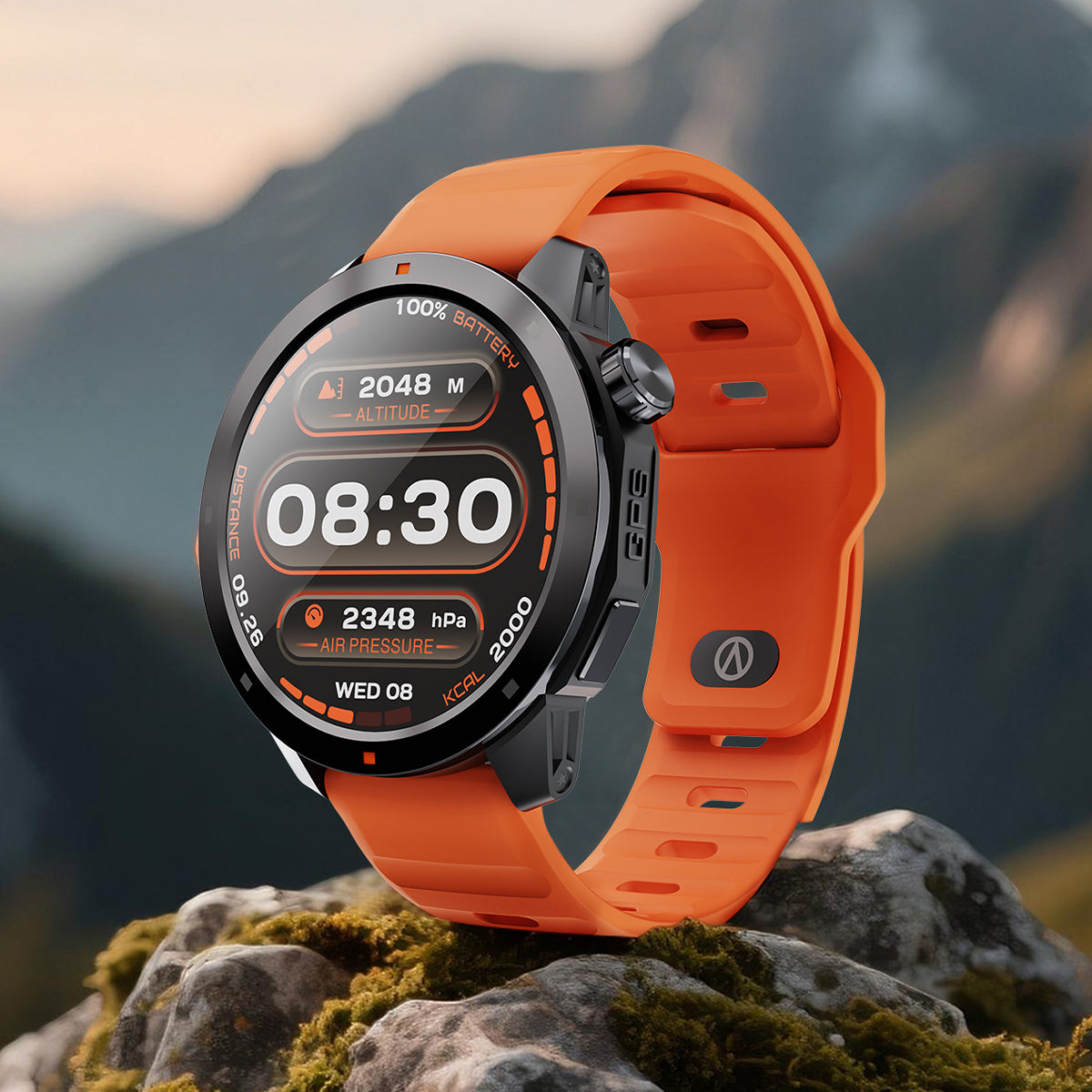
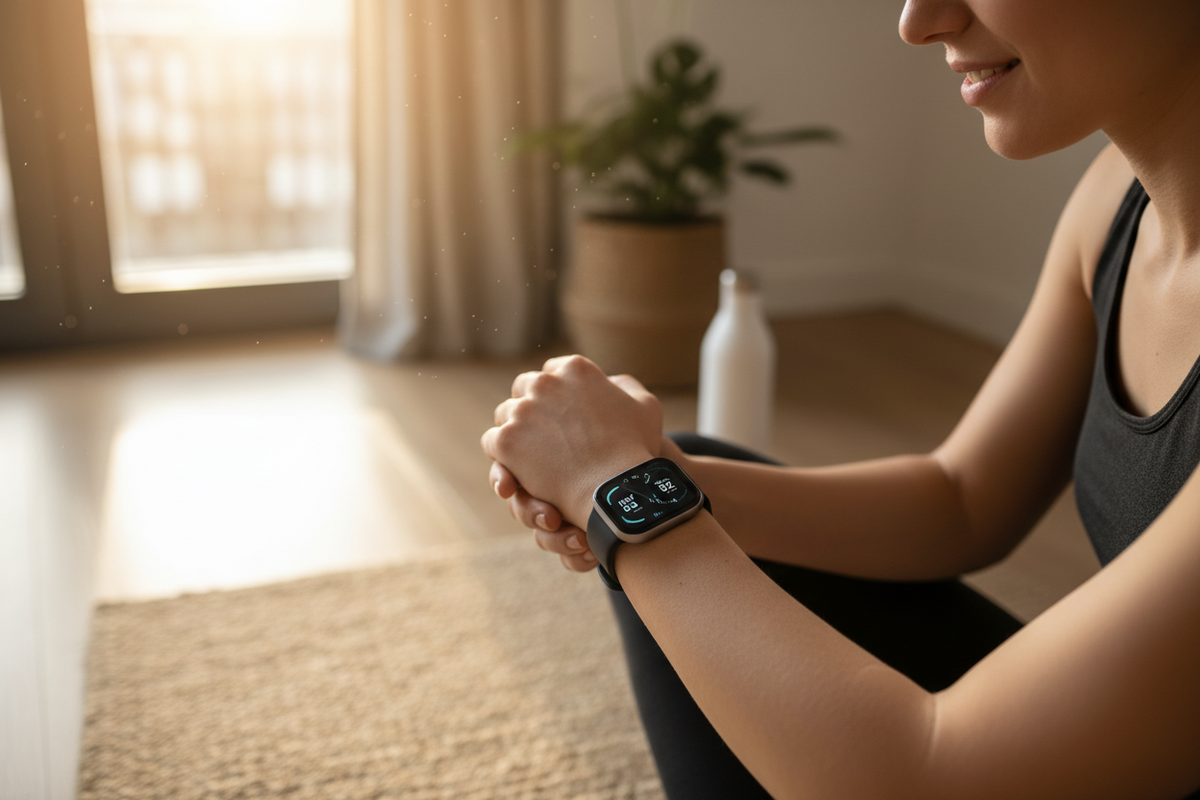
Your watch tracks three things that sync perfectly with your cycle:
1. HRV (Heart Rate Variability)
HRV tends to be higher in the follicular phase and lower in the luteal phase. If your HRV drops below your baseline, your body is under stress – whether from hormones, poor sleep, or overtraining. Scale back.
2. Resting Heart Rate
In the luteal phase, resting heart rate often climbs by 2–5 bpm due to higher core temperature and progesterone. If you see that shift, don't panic – it's normal. But it's a sign to go gentler.
3. Sleep Score
Sleep quality often dips in the luteal phase. If your sleep score is lower, your recovery is lower. That's not a weakness – it's information.
How to Actually Sync Your Training with Your Cycle
Here's a simple framework:
-
Follicular phase: Go hard. Strength training, HIIT, long runs – your body can take it and recover faster.
-
Ovulation: Peak intensity. Schedule your toughest workouts here if you can.
-
Luteal phase: Go gentle. Yoga, walking, swimming, lighter strength. Focus on mobility and recovery.
-
During your period: Listen to your body. Some days you'll feel fine; other days you won't. Both are okay.
The golden rule: When your watch says you're recovered (high HRV, low RHR, good sleep), push. When it says you're stressed (low HRV, high RHR, poor sleep), rest.
One Thing Most People Miss
Your cycle isn't a weakness. It's not something to "overcome." It's data – and your wearable has been collecting it all along.
Instead of fighting your body every week, work with it. Train smarter, not harder. And stop beating yourself up on the days your body says "not today."
That's the secret your wrist has been waiting to tell you. 😉


Laat een reactie achter
Deze site wordt beschermd door hCaptcha en het privacybeleid en de servicevoorwaarden van hCaptcha zijn van toepassing.