

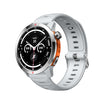

Short answer: If you care most about workouts, GPS, and heart health alerts, get a smartwatch. If you care most about sleep quality and wearing something 24/7 without noticing it, get a smart ring. If you can afford both, they’re not competitors — they’re teammates.
But the real question isn’t “which is better.” It’s which one matches how you actually live. Here’s how to figure it out.
The Core Difference: Screen vs. No Screen
That’s it. That’s the fork in the road.
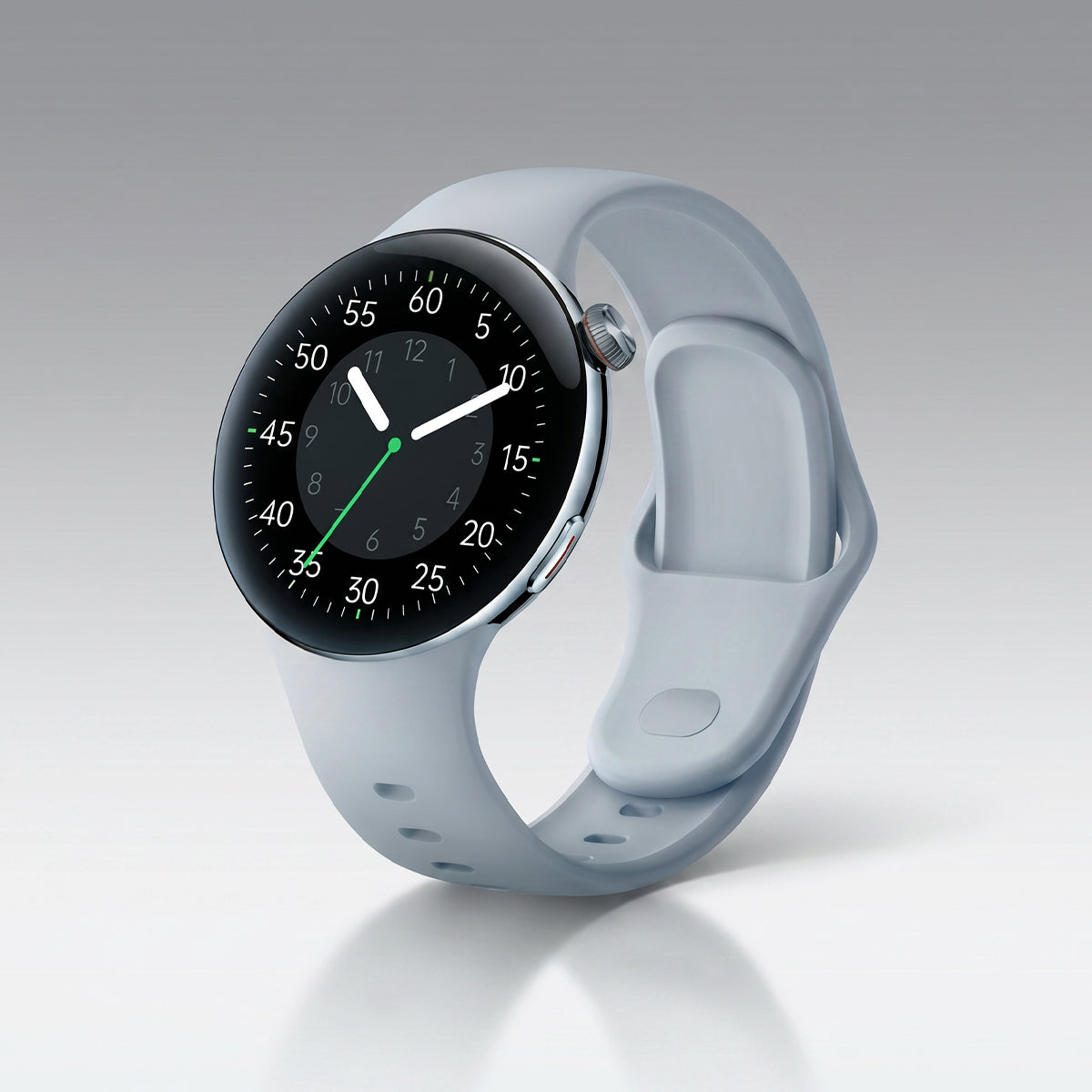
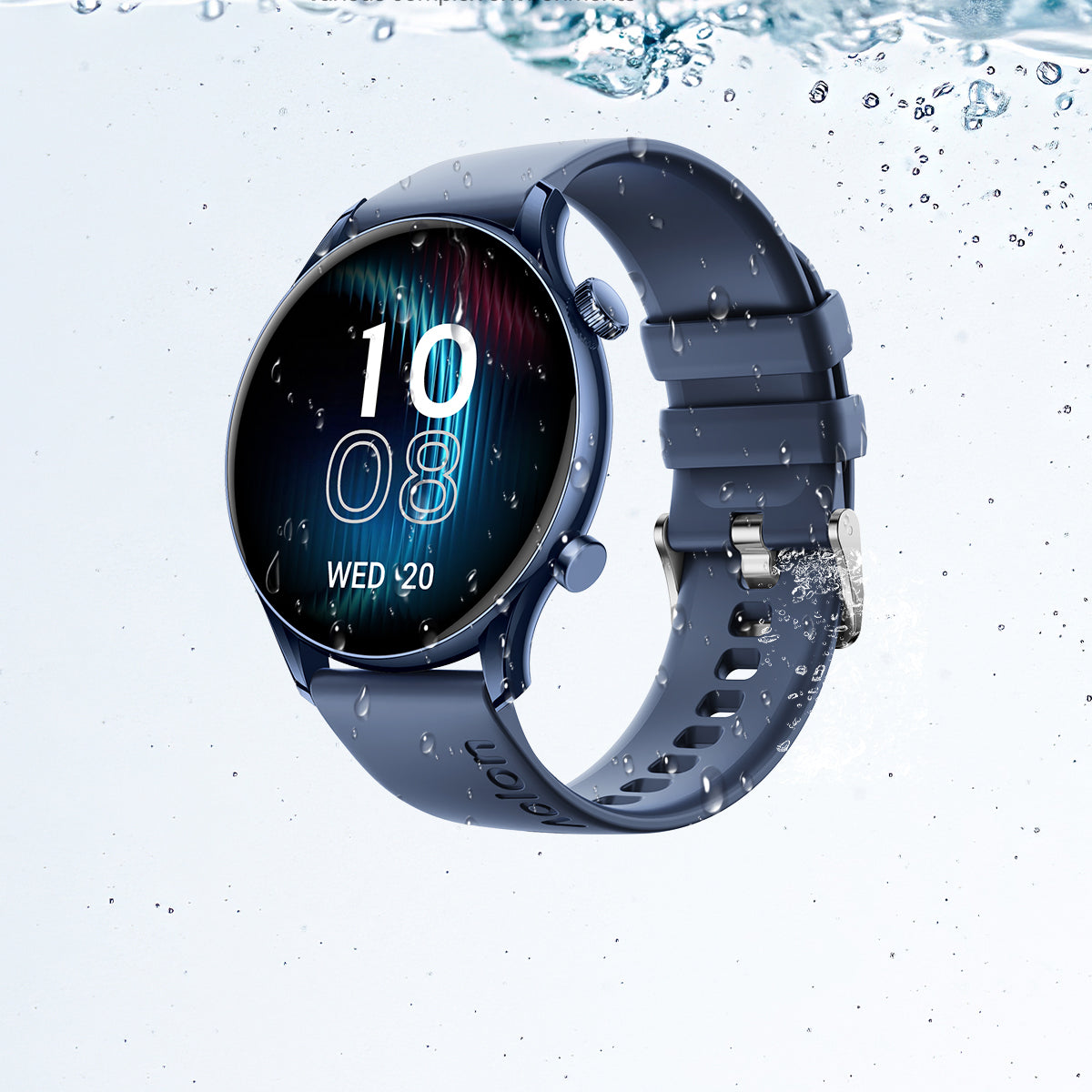
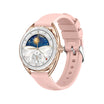
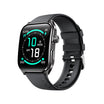
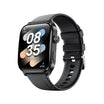
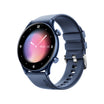
A smartwatch has a screen. That means it can show you live heart rate during a run, buzz with a text, map your route, and let you skip a song without pulling out your phone. It’s a mini computer on your wrist.
A smart ring has no screen. It just sits there, quietly collecting data. You check everything later in an app. No notifications. No distractions. Nothing flashing at you at 11 PM when you’re trying to sleep.
One is a companion. The other is a background observer. Neither is wrong — they just serve different needs.
Where Smartwatches Win
1. Workout tracking and GPS
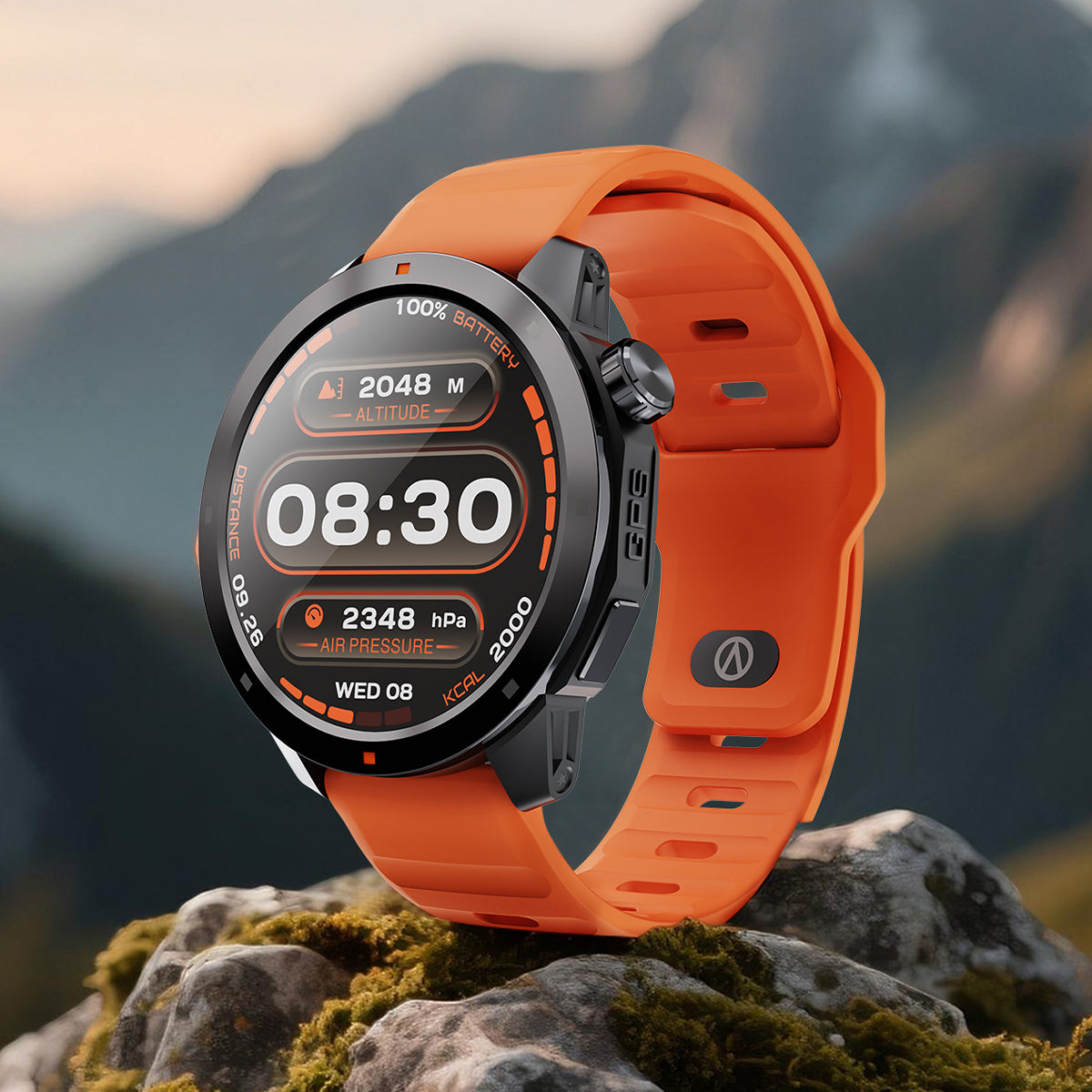
This isn’t close. Smartwatches track running routes, cycling speed, swimming laps, and weightlifting sets with far more detail than rings. They have built-in GPS, so you can leave your phone at home. They can auto-detect workouts and show you real-time pace, heart rate zones, and distance.
Smart rings can’t record GPS routes without your phone, and they struggle with high-intensity movement — finger motion and grip during lifting or sprinting throws off the heart rate signal, with errors climbing past ±5 bpm during hard efforts.
2. Heart health and ECG
If irregular rhythm detection matters to you — or you want on-demand ECG readings — a smartwatch is the only wearable option right now. Rings don’t have the sensor real estate for ECG, and the FDA-cleared AFib detection features live on watches, not rings.
3. Notifications and daily utility
Calls, texts, calendar alerts, music control, contactless payments. If you want your wrist to do more than track, a watch is the answer.
The trade-off: You charge it daily. Apple Watch lasts about 24 hours. It buzzes. It’s a piece of tech you’re always aware of.
Where Smart Rings Win
1. Sleep tracking — and it’s not close
This is the ring’s superpower, and the data backs it up.
A 2026 IDC analysis found smart rings average 91.3% accuracy in sleep stage classification, compared to 79.5% for smartwatches. Independent research against lab-grade polysomnography showed Oura Ring 3 achieving 72.5% epoch-by-epoch agreement, edging out Apple Watch Series 9 at 72.3%.
Why the gap? Location. Your finger has denser capillaries and thinner skin than your wrist. The PPG signal quality is roughly 50% better on a finger than a wrist. Plus, a ring weighs 2–4 grams and doesn’t shift around when you roll over — which means fewer data gaps and cleaner overnight readings.
2. Comfort for 24/7 wear
You forget it’s there. That’s the point. A ring doesn’t catch on sleeves, doesn’t feel bulky under a pillow, doesn’t need to come off for charging every night. Most rings last 5–8 days on a charge.
That comfort is why rings capture data when watches don’t — during sleep, during showers, during the hours you’d normally take a watch off.
3. Long-term trend spotting
Because rings are worn continuously, they’re better at spotting slow shifts: your resting heart rate creeping up over two weeks, your HRV trending down after a stressful month, a subtle temperature change before you get sick. A watch that spends two hours on a charger every day misses those windows.
The trade-off: No screen, no GPS, no notifications. You’re trading real-time utility for passive depth.
Can You Use Both?
Yes — and plenty of people do.
The industry is moving toward pairing, not replacing — relying on a ring for all-day continuous monitoring and a watch for workouts and notifications. Samsung designed its Galaxy Ring to work alongside its watches: when worn together, the watch takes over heart rate and sleep tracking, which can extend the ring’s battery life by up to 30%.
The practical strategy is simple:
-
Wear the ring 24/7 — sleep, work, weekends. It captures everything passively.
-
Wear the watch for workouts and active days — GPS runs, gym sessions, days you want notifications.
-
Let the data merge in one app. Samsung Health, Apple Health, and Oura’s integrations all handle this now. You don’t get double-counted steps.
If you can’t afford both — and most people can’t — pick the one that matches your primary health goal.
Your Decision Framework
Ask yourself these four questions in order:
1. What do I actually want to improve?
-
Sleep, recovery, stress, cycle tracking → Ring
-
Fitness, training, heart health, active lifestyle → Watch
2. Do I hate wearing things to bed?
-
Yes → Ring. A watch on your wrist at night is a dealbreaker for a lot of people.
-
No → either works.
3. Do I need GPS, notifications, or live workout data?
-
Yes → Watch. No contest.
-
No → a ring covers everything else.
4. What’s my budget?
-
Rings: $200–$500 upfront, sometimes with a subscription (Oura charges $5.99/month)
-
Watches: $200–$800+, usually no subscription
-
Both: worth it only if you’re a serious data person
If you’re still torn, start with the ring. It’s the easier wearable to live with — and if you later realize you want GPS and notifications, you’ll know exactly what to add.
The Bottom Line
Smartwatches are the all-rounders. Smart rings are the specialists. One is built for action; the other for observation.
Pick the ring if your health questions are about sleep, recovery, and long-term patterns. Pick the watch if they’re about performance, workouts, and real-time feedback.
And if you can swing both? Wear the ring to bed and the watch to the gym. They were never really rivals — they’re just two halves of the same picture. 😉


Laisser un commentaire
Ce site est protégé par hCaptcha, et la Politique de confidentialité et les Conditions de service de hCaptcha s’appliquent.